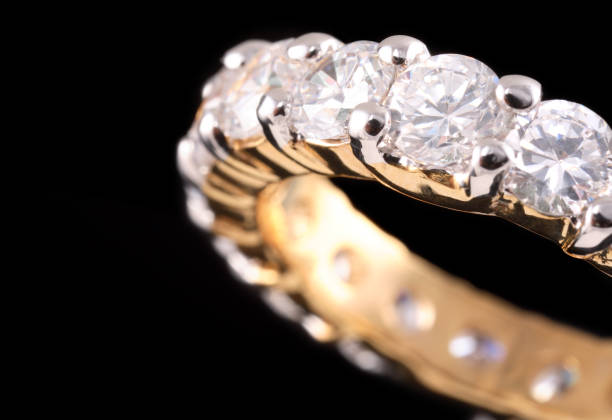
Purchasing gold jewelry is a significant investment, whether for personal adornment, a gift, or as a financial asset. To ensure you make the right choice, it’s essential to consider several key factors. This guide walks you through everything you need to know about buying gold jewelry.
Understanding Gold Purity: Karats and Their Meaning
| Karat | Gold Content | Durability Level | Common Uses |
| 24K | 99.9% pure | Soft and malleable | Investment pieces |
| 22K | ~91.7% pure | Moderate durability | Traditional jewelry |
| 18K | ~75% pure | Durable | Everyday wear |
| 14K | ~58.3% pure | Highly durable | Engagement rings, bracelets |
| 10K | ~41.7% pure | Extremely durable | Affordable options |
Higher-karat gold is softer and less resistant to scratches compared to lower-karat gold alloys that blend other metals for enhanced durability.
Key Considerations When Shopping
- Are you buying for sentimental reasons or as an investment?
- For daily wear, consider durable options like 14K or 18K gold.
- Gold prices fluctuate daily based on market conditions.
- Decide your budget early and factor in additional costs like design intricacies or gemstones.
- Think about whether you’re drawn to classic designs, modern styles, or cultural influences in craftsmanship.
- Certification
Always look for hallmarks indicating purity, such as “24K,” “18K,” or “14K,” stamped on the jewelry piece. Trusted jewelers also provide certifications that verify authenticity.
Types of Gold Jewelry
- Chains and Necklaces: Perfect for layering or creating elegant standalone looks.
- Rings: From engagement rings to stackable bands, these are ideal for personal expression.
- Bracelets: Available in designs ranging from simple bangles to intricately adorned cuffs.
- Earrings: Hoops, studs, and drop styles offer variety for different tastes.
Each type comes with unique price ranges based on weight and craftsmanship.
Evaluating Craftsmanship
- The smoothness of finishes—poorly finished edges may indicate low-quality work.
- Strength of clasps and closures—they should feel sturdy yet easy to operate.
- Integration of gemstones—stones should be securely set without gaps around prongs.
Tips When Visiting Jewelers
- Research reputable jewelers with positive reviews either online or locally known experts.
- Ask about return policies and warranties before committing to purchase.
- Request detailed invoices specifying details such as karat weight and any additional materials used in crafting your chosen piece.
Shopping wisely ensures your gold jewelry becomes not only an accessory but also an enduring keepsake crafted with value in mind.
How Orange County Jewelry Sellers Can Help You Choose the Perfect Gold Chain Style
Gold chains are among the most versatile and timeless pieces of jewelry, suitable for both everyday wear and special occasions. However, choosing the right gold chain involves more than selecting what looks attractive. To make a well-informed decision, several factors should be considered, from gold purity to chain design.
Factors to Consider When Buying a Gold Chain
- Gold Purity (Karat)
The purity of gold is measured in karats (K), with 24K being pure gold. However, pure gold is soft and prone to bending or scratching. For durability:
– 18K (75% gold): Offers a balance between purity and strength. It has a bright yellow hue. – 14K (58.3% gold): More durable and affordable, making it ideal for everyday wear. – 10K (41.7% gold): The hardest but contains less actual gold, appearing slightly less vibrant.
| Karat | Gold Purity (%) | Characteristics |
| 24K | 99.9 | Soft, vibrant yellow; not durable |
| 18K | 75 | Rich color; suitable for fine jewelry |
| 14K | 58.3 | Durable; ideal for daily use |
| 10K | 41.7 | Affordable but duller in appearance |
- Chain Style
Gold chains come in various styles to suit different aesthetics and purposes:
– Cable Chains: A classic style with interlocking oval links, perfect for pendants or layering. – Rope Chains: Twisted strands that exude luxury and durability. – Curb Chains: Flat interlocking links that are sleek and modern. – Figaro Chains: A unique design with alternating long and short links. – Box Chains: Square-shaped links providing an understated yet elegant look.
Each style serves its purpose: – Opt for finer chains if you plan to pair them with pendants. – Thicker designs work well as standalone statement pieces.
- Length & Thickness
The length of the chain dramatically influences how it complements your neckline or attire: – 16 inches (“Choker”): Sits snugly around the neck. – 18 inches (“Princess”): Falls at the collarbone; versatile length for casual or formal wear. – 24+ inches (“Opera”): Ideal for layering or achieving a dramatic look.
Thicker chains are robust but may feel heavier, while thinner ones are more delicate but prone to tangling.
Matching Gold Chains to Personal Style
When selecting a chain style: 1. Reflect on your wardrobe – Does your jewelry pair well with casual clothing or elegant evening wear? 2. Consider skin tone – Warmer tones often complement yellow or rose gold better, while cooler tones suit white gold. 3. Think about versatility – A neutral design like a cable chain matches various outfits effortlessly.
Additionally, mixing textures by layering multiple chains of varying lengths can create an on-trend yet personalized aesthetic.
Essential Shopping Tips
To ensure you’re purchasing high-quality gold chains: 1. Always check the hallmark stamp indicating karat value (e.g., “14K” or “18K”). 2. Confirm weight – Heavier pieces generally indicate solid construction rather than hollow designs that may dent over time. 3. Ask about clasp strength – Lobster clasps are more secure compared to spring-ring clasps. 4. Buy from reputable jewelers who provide certification of authenticity.
Investing in a well-chosen gold chain ensures you’ll have an accessory that’s both stylish and enduring across trends and generations alike.
Exploring Unique Hues and Alloys in Gold Jewelry with an Orange County Jeweler
Gold jewelry has evolved far beyond the standard yellow hue we often associate with this precious metal. Modern craftsmanship and metallurgy have introduced a spectrum of gold colors, offering unique options to suit personal styles and preferences. Understanding the different hues of gold, along with the alloys that create them, is essential when shopping for colored gold jewelry.
Common Types of Colored Gold
- Yellow Gold
Yellow gold is considered the most traditional type and is often associated with classic elegance. Its rich color comes from mixing pure gold with metals like copper and zinc. - White Gold
White gold’s silvery appearance is achieved by alloying pure gold with white metals such as nickel, palladium, or silver. To enhance its shine, white gold is often plated with rhodium, which also increases durability. - Rose Gold
Rose gold has gained significant popularity in recent years due to its romantic pinkish hue. This unique shade results from blending pure gold with a larger proportion of copper compared to other alloys. - Green Gold
Green gold, also known as electrum, has a subtle greenish tint created by alloying pure gold with silver or sometimes cadmium. While less common in modern jewelry designs, green gold can add an unconventional touch to your collection. - Blue and Purple Gold
These rare colors are created through specialized techniques like oxidation or combining pure gold with specific metals like indium (for blue) or aluminum (for purple). Due to their fragility, blue and purple gold are typically used for accents rather than entire pieces.
Key Factors to Consider When Choosing Colored Gold
- Purity Levels: Colored gold jewelry is typically available in 10K, 14K, 18K, or 22K options depending on its alloy composition. Higher karat values indicate greater purity but may result in softer pieces less suitable for daily wear.
- Durability: Some colored alloys are more durable than others. For example:
- White gold (with rhodium plating) tends to be scratch-resistant.
- Rose and yellow gold are softer due to higher copper content.
- Skin Sensitivity: Certain alloys may trigger allergic reactions—for instance:
- Nickel in white-gold alloys may not be suitable for sensitive skin.
- Hypoallergenic options include palladium-based white-gold blends.
| Color | Alloy Components | Durability | Common Uses |
| Yellow Gold | Pure Gold + Copper + Zinc | Moderate | Wedding bands & necklaces |
| White Gold | Pure Gold + Nickel/Palladium/Silver | High (with plating) | Engagement rings & earrings |
| Rose Gold | Pure Gold + Copper | Moderate | Fashion rings & pendants |
| Green Gold | Pure Gold + Silver/Cadmium | Low | Vintage or custom designs |
| Blue/Purple | Pure Gold + Indium/Aluminum | Fragile | Decorative accents only |
Benefits of Colored Gold Jewelry
- Versatility in Style: Diverse hues allow you to match colored gold pieces effortlessly with your wardrobe or other types of jewelry.
- Personalization Opportunities: The variety of shades enables crafting unique combinations or custom designs that reflect individuality.
- Timeless Appeal: Unlike trends that come and go quickly, well-crafted colored-gold items retain their appeal over time while showcasing dynamic craftsmanship.
Understanding the world of colored gold opens up countless possibilities when choosing jewelry that aligns perfectly with your aesthetic preferences and lifestyle needs. By selecting quality materials and considering your unique requirements—such as durability or skin compatibility—you can enjoy a piece that’s both beautiful and enduringly relevant.
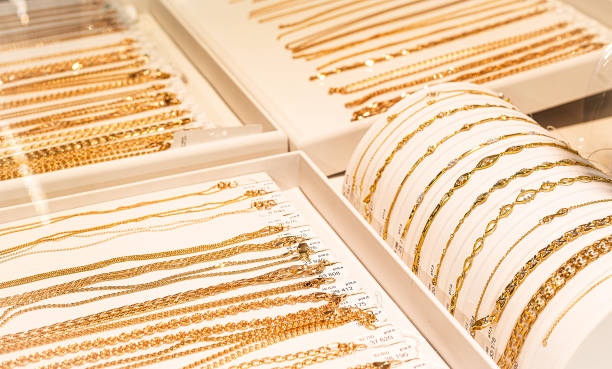
Exploring Unique Hues and Alloys in Gold Jewelry at an Orange County Jewelry Shop
Gold jewelry is often associated with its classic yellow hue, but the modern jewelry market offers a dazzling array of colored gold options. These variations result from combining pure gold with different metals to create unique alloys. Understanding the range of colored gold can help you select pieces that suit your personal style while appreciating the craftsmanship behind these stunning designs.
Types of Colored Gold
- The traditional choice for gold jewelry.
- Created by alloying pure gold with copper and zinc.
- Its warm tone complements all skin tones and is ideal for those who prefer timeless elegance.
- Achieved by mixing pure gold with metals like nickel, palladium, or silver.
- Often plated with rhodium for enhanced brilliance and durability.
- Offers a sleek, modern look that pairs well with diamonds.
- A blend of pure gold and copper, giving it a pinkish-red hue.
- Popular for its romantic and vintage appeal.
- Works beautifully in both minimalist and ornate designs.
- A softer greenish tint achieved by alloying gold with silver or cadmium.
- Rarely used on its own but often incorporated into intricate designs for unique accents.
- These unconventional hues are created through advanced techniques such as oxide layers or intermetallic compounds.
- Typically used in high-end or custom-designed pieces to make bold statements.
Choosing the Right Colored Gold
| Skin Tone | Recommended Colors | Why It Works |
| Cool Skin Tones | White Gold, Rose Gold | Complements undertones naturally |
| Warm Skin Tones | Yellow Gold, Green Gold | Enhances warm undertones |
| Neutral Tones | Any Color | Versatile across all shades |
Benefits of Exploring Colored Gold
- Uniqueness: Colored gold offers an opportunity to stand out from traditional yellow-gold options.
- Versatility: With various hues available, it’s easy to find a shade that matches every outfit or occasion.
- Symbolism: Different colors can signify specific emotions or milestones (e.g., rose gold is often associated with love).
Caring for Colored Gold Jewelry
- Avoid exposing your jewelry to harsh chemicals like chlorine or household cleaners.
- Store each piece separately to prevent scratching between different metal types.
- Clean regularly using mild soap and water followed by gentle polishing with a soft cloth.
By exploring colored gold options thoughtfully, you can expand your jewelry collection while celebrating the artistry that goes into crafting these beautiful alloys. Whether you’re drawn to the richness of rose gold or intrigued by rare hues like green or black gold, there’s something extraordinary awaiting every style preference in this diverse category of fine jewelry design.
Personalized Gold Jewelry: Creating Meaningful and Timeless Style
Gold jewelry has long been cherished for its beauty, value, and timeless appeal. When it comes to personalized gold jewelry, the significance deepens as these pieces are thoughtfully customized to reflect individual stories, milestones, or personal taste. Whether as a gift or a keepsake for yourself, personalized gold jewelry offers endless possibilities for creating meaningful and unique treasures.
Benefits of Personalized Gold Jewelry
- Uniqueness: Each piece is one of a kind, tailored to your specific preferences.
- Emotional Value: Personalized designs often carry sentimental meaning, making them more special than mass-produced items.
- Timeless Keepsakes: These pieces can become heirlooms passed down through generations.
- Versatility: Suitable for gifting on occasions like anniversaries, birthdays, or other celebrations.
Types of Customization Options
- Add initials, names, meaningful dates (e.g., wedding anniversaries), or short messages.
- Popular engraved pieces include rings, bracelets, necklaces with pendants.
- Incorporate birthstones into the design to represent loved ones or significant moments.
- Birthstones add color and additional symbolism to traditional gold pieces.
- Work with a jeweler to create bespoke designs from scratch based on sketches or ideas.
- Examples: family crests on pendants or intricate motifs that reflect cultural heritage.
- Personalize necklaces and bracelets with your name or the names of loved ones in elegant fonts.
- Include small photos within locket-style pendants to carry memories close to your heart.
- Use monograms (stylized initials) or unique symbols that have personal significance.
Selecting the Right Gold Type for Personalization
| Gold Type | Description | Pros |
| Yellow Gold | Classic warm-toned alloy made from pure gold mixed with copper/zinc. | Timeless appearance; suits all skin tones. |
| White Gold | Alloyed with nickel/palladium; coated with rhodium for brilliance. | Modern look; durable; complements diamonds. |
| Rose Gold | Contains copper for a pinkish hue; romantic undertone. | Unique color; increasingly popular. |
The choice depends on personal preference as well as factors like skin tone compatibility and style preferences.
Why Choose Personalized Pieces Over Ready-Made?
- It reflects your personality and style.
- It transforms an ordinary piece into something extraordinary by embedding stories within its design.
- Handcrafted custom designs ensure high-quality craftsmanship tailored specifically for you.
Tips When Ordering Personalized Jewelry
- Choose an experienced jeweler known for customization work.
- Clearly communicate design ideas using images/examples when possible.
- Double-check all engravings/spellings before finalizing orders.
- Discuss timelines upfront since custom pieces may take longer than standard purchases.
- Request certificates confirming authenticity (e.g., karat purity).
By investing time in personalization details during purchase planning stages — whether it’s engraving special dates onto bangles/rings/pendants etc — buyers can elevate this form timeless symbolic connection fostered over lifetimes
Mixed Metal Gold Jewelry: Mastering the Art of Contrast for a Bold Look
Mixed metal gold jewelry has seen a surge in popularity in recent years, offering a unique and contemporary aesthetic that appeals to both traditional and modern tastes. By combining different metals such as yellow gold, white gold, rose gold, or even platinum and silver, mixed metal designs create dynamic contrasts that draw attention and elevate personal style. Below is a guide to understanding and mastering the art of mixed metal gold jewelry.
Benefits of Mixed Metal Jewelry
- Versatility: Mixed metal pieces complement a wide range of outfits and accessories. The combination of tones ensures they can be worn with both warm- and cool-toned clothing.
- Modern Aesthetic: This trend adds a fresh, bold twist to classic designs, making them appealing for contemporary fashion enthusiasts.
- Timeless Appeal: Although modern in concept, mixed metals can seamlessly bridge traditional styles with current trends, ensuring longevity in your collection.
- Budget Flexibility: Combining precious metals like rose gold with less expensive options like sterling silver makes this type of jewelry accessible at various price points without compromising style.
Popular Combinations in Mixed Metal Jewelry
| Combination | Description |
| Yellow Gold + White Gold | Creates an elegant yet subtle contrast perfect for necklaces and bracelets. |
| Rose Gold + Yellow Gold | Adds warmth and sophistication; ideal for engagement rings or earrings. |
| White Gold + Silver | Offers a sleek monochromatic look suitable for minimalist designs. |
| Platinum + Yellow Gold | Contrasts the coolness of platinum with the vibrance of yellow gold beautifully. |
These pairings work well across various styles—whether you prefer vintage-inspired pieces or geometric modern craftsmanship.
Styling Tips for Mixed Metal Jewelry
- Layering is Key: Combine necklaces or bracelets featuring different metals to create depth while maintaining cohesion.
- Start Small: If you’re new to this trend, begin with smaller pieces like rings or stud earrings before investing in statement items.
- Unify via Design Elements: Opt for pieces where the design itself ties the contrasting metals together—such as intertwined bands or multi-tone pendants.
- Coordinate Your Look: Pair your mixed metal jewelry with other accessories like handbags or shoes that complement its tones.
- Consider Skin Tone: Certain combinations may enhance specific undertones better than others—for example, rose gold often flatters warmer skin tones.
Caring for Mixed Metal Pieces
- Use a soft cloth to gently polish each section according to its specific material’s needs (e.g., avoid abrasive cleaners on softer metals like gold).
- Keep your jewelry dry when possible; moisture can cause tarnishing over time on certain alloys.
- Store each piece separately in soft pouches or lined compartments to prevent scratches between different metals.
By integrating maintenance practices into your routine, you can preserve both appearance and structure while enjoying these versatile creations.
Mixed metal gold jewelry represents more than just an accessory—it’s an artistic statement showcasing contrast and harmony within one piece. Whether you’re experimenting with subtle combinations or bold designs featuring multiple tones, these versatile creations are sure to make an impression while reflecting individuality through timeless craftsmanship.
- Your Ultimate Guide to Buying Gold at a Jewelry Store in Orange County
- Finding the Perfect Diamond Ring at a Jewelry Store in Orange County: A Complete Guide
- Finding the Perfect Engagement Ring at a Jewelry Store in Orange County
- How to Choose the Best Gold Jewellery with an Orange County Jeweler
- Your Ultimate Guide to Buying Gold Jewelry at a Jewelry Store Orange County
- Finding Your Perfect Wedding Rings: Tips from Orange County Jewelry Sellers
- Comprehensive Guide to Understanding and Buying Gold from Orange County Jewelry Sellers
- The Ultimate Guide to Buying Gold Jewelry from an Orange County Jeweler