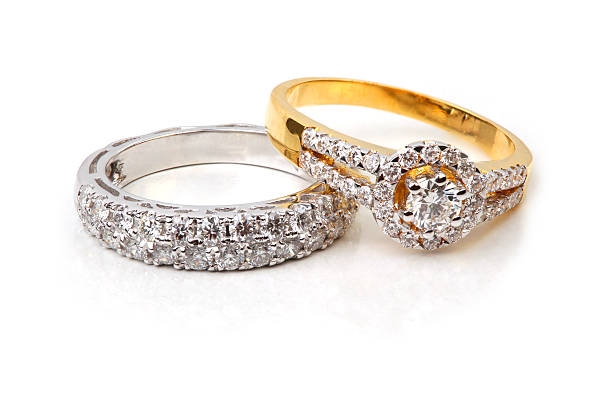
Choosing the perfect engagement ring can feel overwhelming, but with thoughtful preparation and attention to detail, it becomes a meaningful experience. Below are some practical tips to help find a ring that encapsulates your love story and creates cherished memories.
1. Establish Your Budget
- Set a baseline: Decide on an amount you’re comfortable spending, keeping in mind that high-quality options exist at various price points.
- Factor in customizations: Personal touches like engravings or bespoke designs may increase costs.
- Don’t follow outdated rules: Forget arbitrary “two-month salary” guidelines; focus on what feels right for you and your financial situation.
2. Know Your Partner’s Style
- Metals: Do they prefer gold (yellow, white, or rose) or other metals like platinum?
- Designs: Are they drawn to minimalist, vintage-inspired, or bold statement pieces?
- Lifestyle compatibility: If they have an active lifestyle or work with their hands frequently, opt for durable designs that can withstand everyday wear.
3. Research the Metal Options
Gold is a classic choice for engagement rings, but it comes in different varieties based on karats and alloy mixes: | Gold Type | Key Features | |—————–|——————————————| | Yellow Gold | A traditional option with warm tones | | White Gold | Sleek and modern; resembles platinum | | Rose Gold | Romantic pink hues; increasingly popular |
Understanding these choices will help you select the metal that complements both style and practicality.
4. Understand the 4Cs of Diamonds
When selecting the diamond (or gemstone), familiarize yourself with the 4Cs—cut, color, clarity, and carat weight—to prioritize qualities most important to your partner’s preferences.
5. Consider Ring Settings
The setting affects both appearance and durability: – Solitaire settings highlight the center stone. – Halo settings add sparkle with smaller surrounding diamonds. – Three-stone designs symbolize past, present, and future moments together.
Each setting reflects different sentiments while protecting the stone.
6. Seek Professional Guidance
If overwhelmed by choices or technical details, consult a trusted jeweler who can guide you through diamond certification reports or customization options.
By combining careful planning with personal insights into your partner’s style preferences, you’ll create not just a beautiful engagement ring but also a timeless token of love that resonates deeply through years to come.
Orange County Jewelry Sellers Offering Timeless Engagement Rings as Symbols of Love and Commitment
Engagement rings have long been cherished as enduring symbols of love and commitment, deeply embedded in cultures around the globe. Their significance transcends time, serving as a pledge of devotion and the start of a lifelong journey together. Understanding their history, symbolism, and value can help you appreciate why they hold such a special place in relationships.
The History Behind Engagement Rings
The tradition of engagement rings dates back centuries. Some highlights from its rich history include:
– Ancient Egypt: Rings made from woven reeds were exchanged as a symbol of eternity, since circles were believed to represent never-ending love.
– Roman Times: Iron or gold bands were used to signify betrothal, with some featuring keys that symbolized shared ownership.
– 1477: The first diamond engagement ring was commissioned by Archduke Maximilian of Austria, marking the beginning of a new tradition tied to luxury and romance.
This enduring history shows how engagement rings have evolved into what we know today—a meaningful statement that celebrates love.
The Symbolism Behind Engagement Rings
An engagement ring carries layers of meaning beyond its physical beauty:
1. Promise: It represents the intention to unite in marriage.
2. Eternity: The circular shape embodies infinite love with no beginning or end.
3. Individuality: Modern couples often choose designs that reflect their unique story or partnership dynamics.
Why Gold is a Popular Choice for Engagement Rings
Gold remains one of the most popular materials for crafting these timeless pieces due to its durability, beauty, and versatility:
– Durability: Gold is resistant to tarnishing and can last generations when properly cared for. – Versatility: Available in yellow gold, white gold, or rose gold options, it accommodates a wide range of personal styles. – Value Retention: As a precious metal with intrinsic value, it holds worth over time.
| Type | Color | Characteristics | Popular Use Cases |
| Yellow Gold | Warm | Classic; rich traditional appearance | Vintage & classic designs |
| White Gold | Silvery-white | Contemporary look; pairs well with diamonds | Modern & minimalist settings |
| Rose Gold | Pinkish hue | Romantic; unique and feminine | Custom or boho-inspired rings |
Choosing Symbolism Over Trends
While trends in engagement ring styles come and go—such as colored gemstones or unconventional settings—the weight of timelessness should play a role in your decision-making process. Opting for classic shapes like round diamonds or solitaire settings ensures your ring will remain elegant across generations.
When choosing an engagement ring, recognizing its historical importance combined with personal elements will make it even more meaningful for both partners involved. Let simplicity meet sophistication as you design something that reflects not only your relationship but also your vision for forever together.
How an Orange County Jeweler Can Help You Choose the Perfect Setting for Your Gold Engagement Ring
Selecting the perfect setting for a gold engagement ring is not only about aesthetics—it’s also about ensuring durability, complementing the diamond or gemstone, and reflecting personal style. A well-chosen setting enhances the beauty of the ring while providing security for the stone. Below, we explore key considerations and popular types of settings to help you make an informed decision.
Factors to Consider When Choosing a Setting
- Lifestyle
Think about your daily activities and how often you’ll wear the ring. For someone with an active lifestyle, a secure and low-profile setting may be more practical to protect the stone from damage or getting snagged. - Stone Shape and Size
The size and shape of your diamond or gemstone can influence which settings work best. Some shapes, like round or oval stones, are versatile and suit many styles, while others, such as marquise or pear-shaped diamonds, may require custom adjustments. - Design Aesthetics
Consider whether you prefer a minimalist style or an intricate design. The setting plays a crucial role in defining the overall appearance of the ring. - Gold Type and Color
The type of gold—yellow, white, or rose—can impact how certain settings look. For instance: - White gold highlights brilliance in diamonds.
- Yellow gold complements warmer-toned gemstones.
- Rose gold adds vintage charm.
Popular Gold Engagement Ring Settings
- Features small metal prongs that hold the stone securely in place.
- Maximizes light exposure for enhanced brilliance.
- Best suited for round-cut diamonds but works well with other shapes too.
- Encircles the stone with a thin metal rim, offering superior protection.
- Ideal for active lifestyles because it reduces chances of damage.
- Sleek and modern appearance.
- Features smaller diamonds encircling the center stone.
- Creates an illusion of a larger center diamond.
- Pairs beautifully with both white and yellow gold bands for added sparkle.
- Small diamonds are set closely along part or all of the band’s surface.
- Offers maximum sparkle without overpowering the center stone.
- Works well with thinner bands for an elegant look.
- Involves embedding smaller stones into channels along the band’s surface.
- Provides durability while adding sophistication to a classic gold engagement ring design.
- Holds the center stone in place using pressure from opposite ends of the band.
- Gives a contemporary floating effect.
- Requires precise craftsmanship but offers unique aesthetic appeal.
Pros & Cons Table: Popular Gold Ring Settings
| Setting | Pros | Cons |
| Prong | Maximizes brilliance; classic look | Prongs may snag on clothing |
| Bezel | Durable; protects center stone | Reduces light entering gemstone |
| Halo | Adds sparkle; enhances size | Can require additional maintenance |
| Pavé | Elegant; enhances overall shimmer | May loosen over time |
| Channel | Sleek design; secure side stones | Limited flexibility on thin bands |
| Tension | Modern aesthetic; minimal metal | Requires expert craftsmanship |
Combining Metal Type With Settings
The choice between yellow, white, or rose gold can be tailored to create distinct effects: – Yellow gold exudes warmth that pairs beautifully with vintage-inspired bezel or halo settings. – White gold intensifies brilliance when used alongside pavé designs where light reflection is essential. – Rose gold adds softness that complements intricate styles like floral-inspired halos.
By taking these factors into account—your lifestyle needs, preferred aesthetics, and practical considerations—you’ll find it easier to select a setting that brings out both beauty and meaning in your engagement ring’s design while ensuring longevity over time
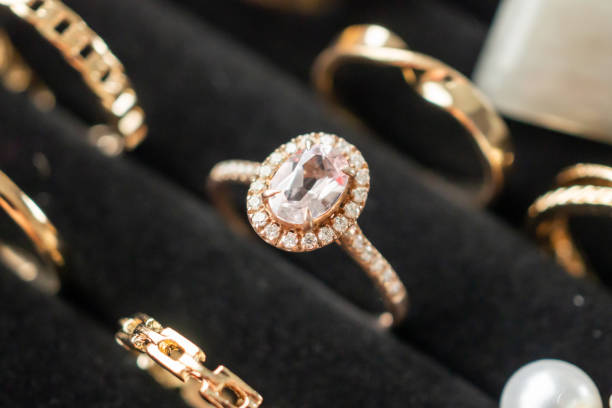
Choosing the Perfect Gold Engagement Ring at an Orange County Jewelry Shop
Selecting the right setting for a gold engagement ring is an essential step in creating a meaningful and lasting piece of jewelry. The setting is not only about aesthetics but also about functionality, durability, and how well it complements the precious stone. Below is a guide to help you choose the perfect setting that aligns with your style, budget, and practical needs.
Popular Engagement Ring Settings
- Features small metal claws (prongs) that hold the gemstone securely in place.
- Maximizes light exposure for brilliance and sparkle.
- Best suited for round and princess-cut diamonds.
- Encircles the gemstone with a thin band of metal, offering excellent protection.
- Sleek and modern design; perfect for active lifestyles.
- Works well with almost all diamond shapes.
- Small diamonds are set closely together along the band, creating an illusion of continuous sparkle.
- Ideal for those seeking added glamour.
- Features a center stone surrounded by smaller diamonds or gemstones, creating a “halo” effect.
- Enhances the size and brilliance of the main diamond.
- Diamonds or gemstones are embedded into a channel within the band itself.
- Smooth edges make it practical for daily wear.
Factors to Consider When Choosing a Setting
- Lifestyle:
Consider how often your partner will wear their ring and their daily activities:- If they lead an active lifestyle or work with their hands often, opt for secure settings like bezel or channel.
- For those who prioritize maximum sparkle over durability, prong or pavé may be ideal.
- Metal Choice:
Gold engagement rings come in various shades such as yellow gold, white gold, and rose gold: | Metal Type | Characteristics | Best Suited For | |—————–|———————————|————————————-| | Yellow Gold | Classic warmth; timeless look | Traditional styles | | White Gold | Modern elegance | Contemporary designs | | Rose Gold | Romantic pinkish hue | Vintage-inspired or unique settings| - Stone Size and Shape:
The shape and size of your diamond (or center gemstone) play a vital role in determining which setting works best:- Larger stones pair well with minimalistic settings like prong.
- Smaller stones can be elevated visually using halo or pavé designs.
- Budget Considerations:
Some settings require more craftsmanship (e.g., pavé and halo), which can increase costs compared to simpler designs like prong or bezel.
Matching Personal Style
Every individual has unique tastes when it comes to jewelry style: – Minimalists may prefer understated elegance found in bezel or solitaire prong settings. – Those who enjoy vintage-inspired jewelry might lean toward intricate details like filigree or milgrain combined with rose gold. – For lovers of glamour, bold options such as double-halo or multi-stone settings make excellent choices.
Practical Tips
- Visit reputable jewelers to explore different setting options in person.
- If unsure about preferences, consider choosing a classic solitaire design—it’s versatile and can complement any personal style.
- Take advantage of custom design services if you want something truly one-of-a-kind.
By taking these factors into account—lifestyle needs, personal style preferences, gemstone quality, and budget—you can confidently select a setting that ensures your gold engagement ring becomes an enduring symbol of love matched perfectly to its wearer’s personality.
Exploring Gold Karats: What They Mean and How to Choose
Gold jewelry is a timeless choice, known for its beauty, durability, and versatility. When selecting gold jewelry, understanding the concept of karats is essential. Gold karats not only influence the look and durability of a piece but also its price and value. Here’s a detailed guide on gold karats and how to choose the right one for your needs.
What Are Gold Karats?
Gold karats (K) represent the purity of gold in an item. Pure gold is measured as 24-karat (24K), which is 100% gold. However, because pure gold is soft and prone to bending or scratching, it is often combined with other metals like silver, copper, or zinc to create alloys that enhance strength and wearability.
| Karat | Gold Content (Purity) | Common Characteristics |
| 24K | 99.9% Pure Gold | Bright yellow color; soft and malleable; less durable; rare for jewelry use in Western markets. |
| 22K | 91.7% Pure Gold | Rich color; softer than lower-karat options; suitable for intricate designs but less durable for daily wear. |
| 18K | 75% Pure Gold | Balanced between purity and durability; ideal for fine jewelry such as engagement rings. |
| 14K | 58.3% Pure Gold | Durable yet affordable; popular choice for everyday wear. |
| 10K | 41.7% Pure Gold | Strongest due to higher alloy content but less vibrant in color; economical option. |
Choosing the Right Karat Level
When selecting the ideal karat level for your gold jewelry, consider several factors such as lifestyle, budget, personal preferences, and intended use.
- If you’re looking for a piece of jewelry meant for daily wear (e.g., wedding bands or bracelets), opt for lower-karat gold like 14K or even 10K due to their enhanced strength.
- For occasional wear or special events where aesthetics matter more than durability, consider higher-karat options like 22K or even pure gold (24K).
- Higher-karat pieces typically cost more because they contain more pure gold.
- If you’re working within a budget, choosing a slightly lower karat like 14K can help you balance quality with affordability.
- Higher alloy content in lower-karat gold can sometimes cause skin reactions in individuals sensitive to certain metals like nickel.
- If allergies are a concern, opt for higher-purity items such as those made from 18K or above.
- Higher-karat pieces have richer golden hues that some people find more appealing.
- Lower-karat items may appear subtler due to their mixed alloy content but are still visually striking.
Advantages and Disadvantages of Various Karats
- 24K: Pros – High investment value due to purity; beautiful luster. Cons – Prone to scratches; not ideal for complex designs.
- 18K-22K: Pros – Excellent balance of beauty and strength; suitable for premium designs. Cons – Pricier compared to lower karats.
- 14K & Below: Pros – Highly durable; affordable options available; versatile design choices possible. Cons – Lower purity means reduced intrinsic value.
Final Thoughts on Picking Your Ideal Karat
Choosing the right karat ultimately depends on how you plan to use your jewelry piece along with your aesthetic taste and lifestyle requirements. Whether you’re drawn toward the vibrant glow of high-purity gold or prefer something more practical for everyday wear, understanding what each karat level represents allows you to make informed decisions tailored to your preferences.
By keeping these tips in mind when shopping for gold jewelry—whether it’s an elegant engagement ring or a statement necklace—you’ll be able to strike the perfect balance between style, utility, quality, and value that complements both your budget and taste perfectly!

Top Ways to Find Your Partner’s Perfect Ring Size Without Giving It Away
Finding the perfect engagement ring involves more than just selecting the right diamond or gold setting. One of the trickiest parts is determining your partner’s ring size without spoiling the surprise. Properly sizing a ring ensures not only comfort but also practicality for everyday wear. Here are some discreet and thoughtful ways to figure out your partner’s ring size while keeping your proposal plans under wraps.
1. Borrow a Ring They Already Own
If your partner regularly wears rings, this can be one of the easiest ways to uncover their size:
– Choose a frequently worn ring: Make sure it’s from the correct hand and finger (for example, left-hand ring finger).
– Trace or measure it: While they’re not looking, use a pen to trace the inner circumference onto paper, or press it into soft soap or clay for an impression. A jeweler can measure this for you later.
– Use a sizing tool: Slide their existing ring onto a printable online sizing guide or purchase an inexpensive plastic ring sizer.
2. Ask Friends or Family Members for Help
Loved ones can be valuable allies in helping you uncover their size without suspicion:
– Close friends: They may already know, especially if they’ve discussed engagement plans in casual conversation.
– Family members: Parents or siblings might have purchased rings as gifts in the past and could share insights about sizing preferences.
Make sure to ask someone who can keep your secret safe and avoid accidental hints.
3. Use Sneaky Comparisons During Casual Conversations
If borrowing isn’t possible, you can always get creative by observing subtle details:
– Compare hand sizes by playfully holding hands and mentally noting how your fingers match up.
– Make comments about jewelry preferences while browsing stores together casually – this might give clues about sizes without direct questioning.
4. Utilize Technology-Based Options for Sizing
| Method | Description | Level of Discretion |
| Online Size Finders | Websites that let you upload photos of hands wearing rings against common objects (like coins). | High |
| Ring-Sizing Apps | Applications that estimate exact dimensions digitally based upon screen calibration methods. | Moderate |
Both methods ensure no physical object needs borrowed physically; simply apply tech solutions whenever privacy matters most!
Shopping for a Diamond by Shape: Matching Style with Personality
Choosing the perfect diamond shape is an essential part of selecting an engagement ring. The shape of a diamond can reflect individuality and style preferences, making it a deeply personal choice. Below, we explore how various diamond shapes align with different personalities and styles, helping you find the best match for your partner.
- Your Ultimate Guide to Buying Gold at a Jewelry Store in Orange County
- Finding the Perfect Diamond Ring at a Jewelry Store in Orange County: A Complete Guide
- Finding the Perfect Engagement Ring at a Jewelry Store in Orange County
- How to Choose the Best Gold Jewellery with an Orange County Jeweler
- Your Ultimate Guide to Buying Gold Jewelry at a Jewelry Store Orange County
- Finding Your Perfect Wedding Rings: Tips from Orange County Jewelry Sellers
- Comprehensive Guide to Understanding and Buying Gold from Orange County Jewelry Sellers
- The Ultimate Guide to Buying Gold Jewelry from an Orange County Jeweler