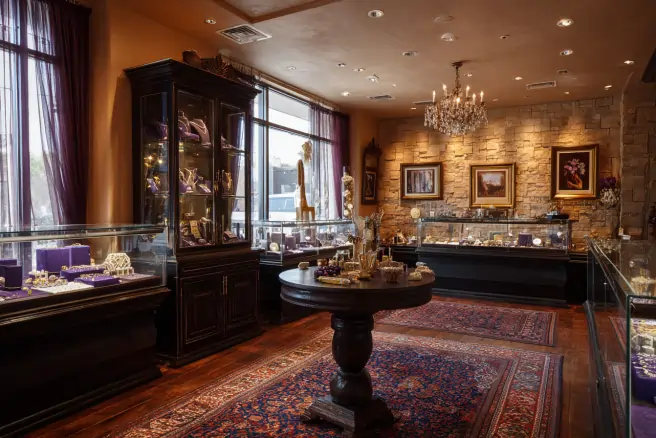
Gold jewelry has long been cherished for its beauty, value, and cultural significance. Whether you’re buying gold jewelry for yourself or as a gift, understanding the key factors involved in the purchase process can help you make a confident and informed decision. This guide covers everything you need to know about selecting the right piece of gold jewelry.
Why Invest in Gold Jewelry?
- Durability: Gold is a naturally durable metal that retains its luster over time with proper care.
- Intrinsic Value: As a precious metal, gold holds significant intrinsic value and can appreciate over time.
- Versatility: Its timeless appeal ensures that it complements both traditional and contemporary styles.
- Cultural Significance: Gold jewelry often symbolizes wealth, status, and special occasions such as weddings or anniversaries.
Key Considerations When Buying Gold Jewelry
- The purity of gold is measured in karats (K). The higher the karat number, the purer the gold.
- 24K (99.9% pure): Softest form of gold, usually not used for intricate designs.
- 18K (75% pure): A popular choice for fine jewelry due to its balance of purity and strength.
- 14K (58.3% pure): Durable and more affordable while still retaining quality.
- 10K (41.7% pure): The least expensive option but contains less actual gold.
- Evaluate whether the design suits your personal taste or has sentimental value.
- Look at fine details such as engravings or intricate patterns to assess craftsmanship quality.
- Heavier pieces typically cost more because they contain more gold.
- Choose appropriate sizes based on comfort and practicality for everyday wear or special occasions.
- Always check for hallmarks indicating authenticity (e.g., “24K” marking or certification from recognized authorities like BIS).
- Certified pieces ensure transparency regarding purity standards.
Comparing Yellow, White & Rose Gold
| Type | Composition | Characteristics |
| Yellow Gold | Pure gold mixed with copper & zinc | Classic color; often associated with tradition |
| White Gold | Pure gold mixed with palladium or nickel | Modern appearance; resembles platinum; may require rhodium plating |
| Rose Gold | Pure gold mixed with copper | Warm pink hue; romantic look; increases durability |
When choosing between colors: – Consider skin tone compatibility — yellow tones work well with warm undertones, while white/rose hues flatter cooler undertones. – Match existing accessories if adding to your collection.
Buying Tips for First-Time Buyers
For those new to purchasing gold jewelry: – Research online reviews about sellers’ reputations before visiting stores. – Compare prices across multiple retailers since costs vary based on region/markup strategies. – Opt only for reputable jewelers offering return/exchange policies under fair terms.
By keeping this information in mind during your shopping journey, you’ll feel equipped to buy high-quality pieces aligned perfectly with expectations/preferences without overspending unnecessarily
How Orange County Jewelry Sellers Emphasize the Importance of Gold Purity
Gold purity is a key factor when selecting gold jewelry, as it directly impacts the quality, durability, and value of your purchase. Purity is typically measured in karats (K), with 24K representing pure gold. However, pure gold is often too soft for most jewelry applications, so it is alloyed with other metals to enhance its strength and durability. Below is a breakdown of gold purity levels and their characteristics.
Gold Purity Levels
| Karat (K) | Gold Content (%) | Key Features |
| 24K | 99.9% | Pure gold; soft, bright yellow; prone to scratches; less durable for everyday wear. |
| 22K | 91.6% | High gold content; retains rich color but more durable than 24K; suitable for certain styles like intricate designs. |
| 18K | 75% | Balanced in purity and durability; widely used for premium jewelry pieces; softer than lower-karat options but still durable for regular wear. |
| 14K | 58.3% | Preferred for its strength and affordability; slightly lighter in color compared to higher karats but offers excellent durability. |
| 10K | 41.7% | Most affordable option; highly durable but contains less gold, giving it a paler appearance compared to higher-purity options. |
Why Purity Matters
- Durability: Lower-karat options like 10K or 14K are more resistant to scratches and dents, making them better suited for daily wear jewelry such as rings or bracelets.
- Hypoallergenic Properties: Higher-purity gold (like 18K or above) contains fewer alloyed metals, reducing the likelihood of skin irritation for sensitive individuals.
- Value Retention: Jewelry with higher gold content has greater intrinsic value and holds up better as an investment over time.
Tips for Selecting the Right Purity Level
- Daily Wear vs Special Occasions: If you’re purchasing jewelry intended for everyday use—such as engagement rings or bangles—opt for a lower karat like 14K or 18K due to its greater resilience against wear-and-tear.
- Cultural Preferences: In some cultures, such as in India or parts of the Middle East, higher-purity gold (22K or even higher) is preferred because of its vibrant yellow hue and significance in traditional events.
- Budget Considerations: Higher-karat pieces tend to be more expensive due to their increased gold content, so choose a purity level that aligns with your budget while maintaining quality.
Final Thoughts on Gold Purity
When selecting gold jewelry, understanding purity helps you strike the perfect balance between longevity, aesthetics, and cost-efficiency based on your specific needs and preferences. Always ensure that the purity level you select matches not only your intended purpose but also your personal style preferences and lifestyle requirements. Look out for hallmarks or certifications on pieces verifying their karat level from trusted authorities such as BIS (Bureau of Indian Standards), Assay Offices (UK), or jewelers accredited by leading organizations worldwide.
By evaluating these factors carefully before making your choice, you can ensure that your investment in gold jewelry will bring lasting satisfaction both aesthetically and financially over time.
Finding the Perfect Gold Jewelry Design with an Orange County Jeweler
Choosing the right model and design for your gold jewelry is an essential step in ensuring that it complements your personal style, lifestyle, and budget. Selecting the perfect piece requires careful thought about several elements, from trends and craftsmanship to practicality. Here’s a comprehensive guide to help you make an informed choice.
Mimi’s Jewelry
18591 Brookhurst St, Fountain Valley, CA 92708
(714) 886 3641
https://mimisjewelryinc.com
Consider Your Personal Style
Your jewelry reflects your individual taste. To choose a model or design that complements your style:
– Classic Styles: Opt for timeless designs like plain gold bangles, stud earrings, or solitaire pendants if you prefer a minimalist and elegant look.
– Modern Trends: For a contemporary aesthetic, explore geometric patterns, layered necklaces, or abstract motifs.
– Cultural Influences: If traditional styles appeal to you, consider ethnic designs such as filigree work, temple-style jewelry, or kundan embellishments.
Match Jewelry with Occasion and Use
Think about where and how you intend to wear your gold jewelry:
– Everyday Wear: Pieces such as simple chains or lightweight bracelets are better suited for daily use due to their durability and comfort.
– Special Occasions: For weddings or formal events, opt for intricate necklaces, chandelier earrings, or statement rings with detailed craftsmanship.
Evaluate Proportions and Comfort
The scale of the design matters when selecting gold jewelry that suits you best:
– Choose smaller pieces like delicate pendants if you prefer subtle accents.
– Larger statement items can elevate outfits but may not be ideal for all-day wear due to weight considerations.
Ensure that closures (e.g., clasps on necklaces) are secure yet easy to manage—especially for regular usage.
Customization Options
For those seeking something truly unique: 1. Many jewelers offer customization services where you can personalize designs based on your preferences. 2. Engraving initials or meaningful symbols adds a personal touch. 3. Opting for mixed materials like combining yellow gold with white gold can create distinctive contrasts.
| Type of Customization | Description | Best Suited For |
| Engraving | Adding initials/names | Meaningful gifts |
| Mixed Metal Combinations | Mixing yellow/white/rose gold | Unique modern aesthetics |
| Bespoke Designs | Fully custom creations | Exclusive one-of-a-kind looks |
Assessing Trends vs Timelessness
While staying updated on current trends is exciting, timeless pieces often provide better long-term value: – Trend-inspired items (chunky chains or huggie earrings) are great short-term fashion statements but may go out of style. – Classic models like solitaire rings are versatile investments suitable across seasons.
Practical Tips for Making the Right Choice
Here are additional points to consider when finalizing your selection: 1. Check the quality stamp (hallmark) on every piece as an assurance of authenticity. 2. Balance aesthetics with practicality—choose sturdy settings if purchasing gemstone-studded designs. 3. Visit trusted jewelers who provide certificates detailing purity levels (karats).
By focusing on these aspects while selecting gold jewelry models/designs tailored around personal preferences—whether traditional heirlooms symbolic treasures,functional accessories—you ensure satisfaction both visually,functionally over time
Finding the Perfect Model and Design at an Orange County Jewelry Shop
Choosing the ideal model and design for gold jewelry can feel overwhelming, given the wide variety of options available. However, by understanding your personal preferences, lifestyle needs, and the occasion for which the jewelry is intended, you can make a well-informed decision. Below are some practical considerations and insights to help guide you in selecting the perfect piece.
Assess Your Personal Style
- Minimalistic vs. Bold Designs: Are you drawn to subtle, elegant pieces or do you prefer bold statement jewelry?
- Traditional vs. Contemporary Styles: Decide between timeless classics like gold chains and bangles or modern designs featuring intricate patterns.
- Functionality: If you plan to wear the item daily, opt for comfortable and durable designs such as simple rings or stud earrings.
Identify Jewelry Types
| Type | Best For | Popular Designs |
| Rings | Engagements, weddings, everyday wear | Solitaire, engraved bands |
| Necklaces & Chains | Formal events or casual outings | Pendant necklaces, chokers |
| Earrings | Both formal and casual wear | Hoops, studs, drop earrings |
| Bracelets & Bangles | Occasions requiring an accent piece | Cuff bracelets, diamond-studded bangles |
| Brooches & Pins | Decorative accents for clothing | Floral pins, gemstone-encrusted brooches |
Match Jewelry with Occasion
- Everyday Wear: Opt for sturdy yet stylish designs such as chain necklaces or stud earrings. Avoid overly elaborate styles that may not suit daily activities.
- Weddings or Special Events: Choose intricate designs with embellishments like diamonds or gemstones to complement formal attire.
- Gifting: Look for versatile styles that align with widely appreciated tastes—such as delicate bracelets or pendant necklaces.
Consider Gold Color Options
- Yellow Gold: The classic choice; ideal for traditional designs.
- White Gold: Sleek and modern; often paired with diamonds.
- Rose Gold: Romantic hue; excellent for vintage-inspired pieces.
- Two-Tone Designs: Combine multiple shades of gold for a unique finish.
Prioritize Comfort and Practicality
- Ensure it fits comfortably (e.g., adjustable bracelets).
- Avoid elaborate designs if functionality is key (e.g., when wearing gloves over rings).
- Check secure clasps on necklaces/bracelets to prevent loss.
Final Tips on Choosing the Right Design
- Customization Options: Many jewelers offer customization services allowing you to create personalized designs based on your preferences.
- Budget Consideration: Stick within your budget by focusing on simpler designs without compromising on quality.
- Trends vs Timelessness: While it’s tempting to follow trends, opting for timeless models ensures long-term value.
By taking these factors into account—your style preferences, occasion needs, practicality requirements—you’ll be equipped to choose a gold jewelry design that perfectly aligns with both aesthetic appeal and functionality.
FAQs About Gold Jewelry: Answering Common Questions Before You Buy
Gold jewelry is a timeless investment and a beautiful accessory to enhance your wardrobe. However, buying gold can sometimes feel overwhelming due to the variety of options and technical details. Below are some of the most frequently asked questions buyers have about gold jewelry, along with detailed answers to guide your purchase decisions.
What Does Karat Mean in Gold Jewelry?
Karat refers to the purity of gold used in a piece of jewelry, denoted by numbers such as 24K, 18K, or 14K.
- 24K Gold: Pure gold (99.9% gold), soft and not typically used for intricate jewelry designs.
- 18K Gold: Contains 75% gold mixed with other metals for durability; offers a good balance between purity and strength.
- 14K Gold: Contains 58.3% gold; more durable and affordable while still maintaining a golden appearance.
- 10K Gold: The least pure form of gold legally considered real (41.7% gold); highly durable but less vibrant in color.
Each karat level offers unique benefits depending on your needs, whether it’s durability for daily wear or higher purity for special occasions.
What’s the Difference Between Yellow, White, and Rose Gold?
| Type | Composition | Characteristics |
| Yellow Gold | Mixed with copper and zinc | Traditional look; hypoallergenic when pure. |
| White Gold | Mixed with palladium or nickel; rhodium plated | Sleek, modern appearance; requires re-plating over time for shine. |
| Rose Gold | Mixed with copper | Warm pink hue; less common and trendy choice. |
Choosing between them often depends on personal style preferences as well as skin tone compatibility.
Why Is Some Gold Jewelry More Expensive Than Others?
- Purity: Higher karat pieces contain more pure gold, which increases their value.
- Weight: Heavier pieces use more material and are therefore pricier.
- Craftsmanship: Intricate designs or handmade items may cost more due to labor intensity.
- Gemstones or Additions: Incorporating diamonds or other stones raises costs significantly.
- Brand Reputation: Renowned jewelers often charge premium prices due to their brand’s prestige.
Understanding these factors can help you set realistic expectations when budgeting for your purchase.
How Do I Know If My Jewelry Is Genuine Gold?
- Look for hallmark stamps indicating purity levels (e.g., “18K” or “750”).
- Test using a magnet — real gold is not magnetic.
- Conduct acid tests at home with kits designed to check metal authenticity.
- Visit an authorized jeweler who can perform professional evaluations.
Is Buying Second-Hand or Vintage Gold Jewelry Safe?
- Purchase from reputable sellers who provide authentication documents.
- Request details about previous ownership and maintenance history.
- Check thoroughly for damages like scratches or loose settings that could reduce value over time.
Exploring second-hand markets opens opportunities to find unique designs at potentially lower costs than new items.
By addressing common concerns before making decisions on purchasing gold jewelry, shoppers can feel confident selecting pieces that align with their preferences and lifestyle needs while staying within budget parameters.
Top Suggestions and Tips for Shopping for Gold Jewelry
Gold jewelry is a timeless investment that holds both monetary and sentimental value. Whether you’re purchasing a piece for yourself or as a gift, knowing how to shop wisely is crucial. Here are some practical suggestions and tips to ensure you make the best choice when shopping for gold jewelry.
1. Know the Purity Levels of Gold
Gold purity is measured in karats (K), which indicate the proportion of pure gold in an alloy. Understanding these levels helps you assess quality and price:
– 24K Gold: Pure gold but softer, making it less suitable for daily wear.
– 18K Gold: 75% pure gold mixed with alloys, offering durability and a rich appearance.
– 14K Gold: 58.3% pure gold, known for its strength and affordability.
– 10K Gold: The most durable but contains less gold (41.7%), making it less valuable.
| Purity Level | Composition (%) | Durability | Price Range | Best For |
| 24K | 99%+ | Soft | High | Investment or occasional wear |
| 18K | 75% | Moderate | High | Luxury yet durable pieces |
| 14K | 58% | High | Moderate | Everyday wear |
| 10K | 42% | Very high | Affordable | Budget-conscious buyers |
2. Consider the Color of Gold
Gold jewelry comes in various shades, each created by mixing pure gold with different metals:
– Yellow Gold: Traditional choice; timeless elegance. Combines well with copper and zinc alloys. – White Gold: Popular modern option; created by mixing palladium or nickel with gold. – Rose Gold: Romantic hue achieved by adding copper; ideal for unique designs. – Green or Other Tones: Rare options mixed with silver or other metals.
The color you choose depends on your style preference, skin tone compatibility, and current trends.
3. Check Hallmarks and Certifications
When buying gold jewelry, always look for hallmarks stamped on the piece to verify its authenticity and purity. Some common markings include: – “24K,” “18K,” etc., indicating karatage. – Manufacturer’s trademark ensuring quality. Additionally, ask the jeweler if they provide certifications from trusted organizations like BIS (India), Assay Office (UK), or LBMA-accredited refiners internationally.
4. Evaluate Craftsmanship and Design
Inspecting the craftsmanship ensures longevity: – Look at intricate details—clean lines, smooth finishes, symmetry. – Check settings if it includes gemstones; they should be secure without loose prongs. For design choice: – Choose classic styles like chains, bangles, or studs for lasting appeal. – Opt for trendy designs when buying fashion-forward seasonal pieces.
5. Compare Prices Across Vendors
Prices can vary significantly across jewelers due to factors like brand value and labor costs: – Visit multiple stores to compare rates based on weight (grams). – Be cautious about added charges such as making fees—choose vendors who offer transparency in pricing.
Summary Checklist Before Purchase:
To make an informed purchase decision while shopping for gold jewelry: 1. Confirm its purity level through hallmarks. 2. Select your preferred color based on alloys used. 3. Set a budget that aligns with your desired karatage and design intricacy. 4. Inspect craftsmanship thoroughly before finalizing your purchase. 5. Always ask about return policies or insurance coverage if applicable.
By keeping these tips in mind during your shopping journey, you can ensure that your investment in gold jewelry becomes a rewarding experience both aesthetically and financially.
Ultimate Ideas and Expert Advice on Shopping for Gold Jewelry
Purchasing gold jewelry is an investment, both financially and sentimentally. To ensure you make the most informed decision, we’ve compiled expert advice and practical tips to guide you through the process. Whether you’re shopping for a timeless heirloom or a modern statement piece, these ideas will help you navigate the world of gold jewelry with confidence.
1. Educate Yourself on Gold Purity Levels
| Karats | Purity Percentage | Durability |
| 24K | 99.9% | Soft and prone to scratches; not ideal for everyday wear |
| 18K | 75% | Higher durability than 24K while maintaining a rich golden hue |
| 14K | 58.3% | Excellent balance between cost, appearance, and durability |
| 10K | 41.7% | Very durable but lighter in color due to more alloy content |
Choose the purity level based on your lifestyle, budget, and intended use of the jewelry.
2. Explore Different Gold Colors
- Yellow Gold: Traditional and iconic, yellow gold works well with vintage designs.
- White Gold: A contemporary choice with a silvery sheen, popular for engagement rings.
- Rose Gold: Romantic and trendy with its pinkish hue, great for fashion-forward buyers.
- Green or Black Gold: Unique hues created using alloys or surface treatments for distinctive styles.
Consider factors such as skin tone and personal style when choosing a color.
3. Look for Hallmarks and Certifications
Always examine the hallmark on any piece of gold jewelry before buying it. A hallmark certifies authenticity and indicates crucial information such as karat weight and manufacturer details.
Common hallmarks include: – The karat stamp (e.g., “18K” or “750”) – The manufacturer’s logo – Assay certificates from accredited labs (specific to some regions)
Purchasing certified jewelry ensures you’re getting what you pay for.
4. Account for Craftsmanship
The craftsmanship of a piece significantly impacts its quality and value. Pay attention to: – Symmetry in design – Solid clasps or closures – Smooth finishes without visible flaws
For intricate designs like filigree work or gemstone settings, ensure precision in detail.
5. Budget Strategically Without Compromising Quality
Set a budget before shopping to avoid overspending while ensuring value: 1. Opt for lower karat gold if budget constraints exist; they offer durability at reduced costs. 2. Avoid paying high premiums solely for brand names unless necessary. 3. Compare prices from different jewelers but prioritize reputation over discounts.
6. Maintain Your Gold Jewelry Properly
To keep your investment looking pristine over time: – Store pieces separately in soft pouches or lined boxes. – Clean regularly using mild soap water or professional cleaning solutions. – Avoid wearing gold jewelry during activities that may expose it to harsh chemicals or physical damage.
Proper care ensures longevity while maintaining its luster.
By following these expert recommendations tailored specifically for shopping smartly within this niche market segment—you can confidently select high-quality pieces apt both aesthetically & functionally across occasions alike!
- Your Ultimate Guide to Buying Gold at a Jewelry Store in Orange County
- Finding the Perfect Diamond Ring at a Jewelry Store in Orange County: A Complete Guide
- Finding the Perfect Engagement Ring at a Jewelry Store in Orange County
- How to Choose the Best Gold Jewellery with an Orange County Jeweler
- Your Ultimate Guide to Buying Gold Jewelry at a Jewelry Store Orange County
- Finding Your Perfect Wedding Rings: Tips from Orange County Jewelry Sellers
- Comprehensive Guide to Understanding and Buying Gold from Orange County Jewelry Sellers
- The Ultimate Guide to Buying Gold Jewelry from an Orange County Jeweler